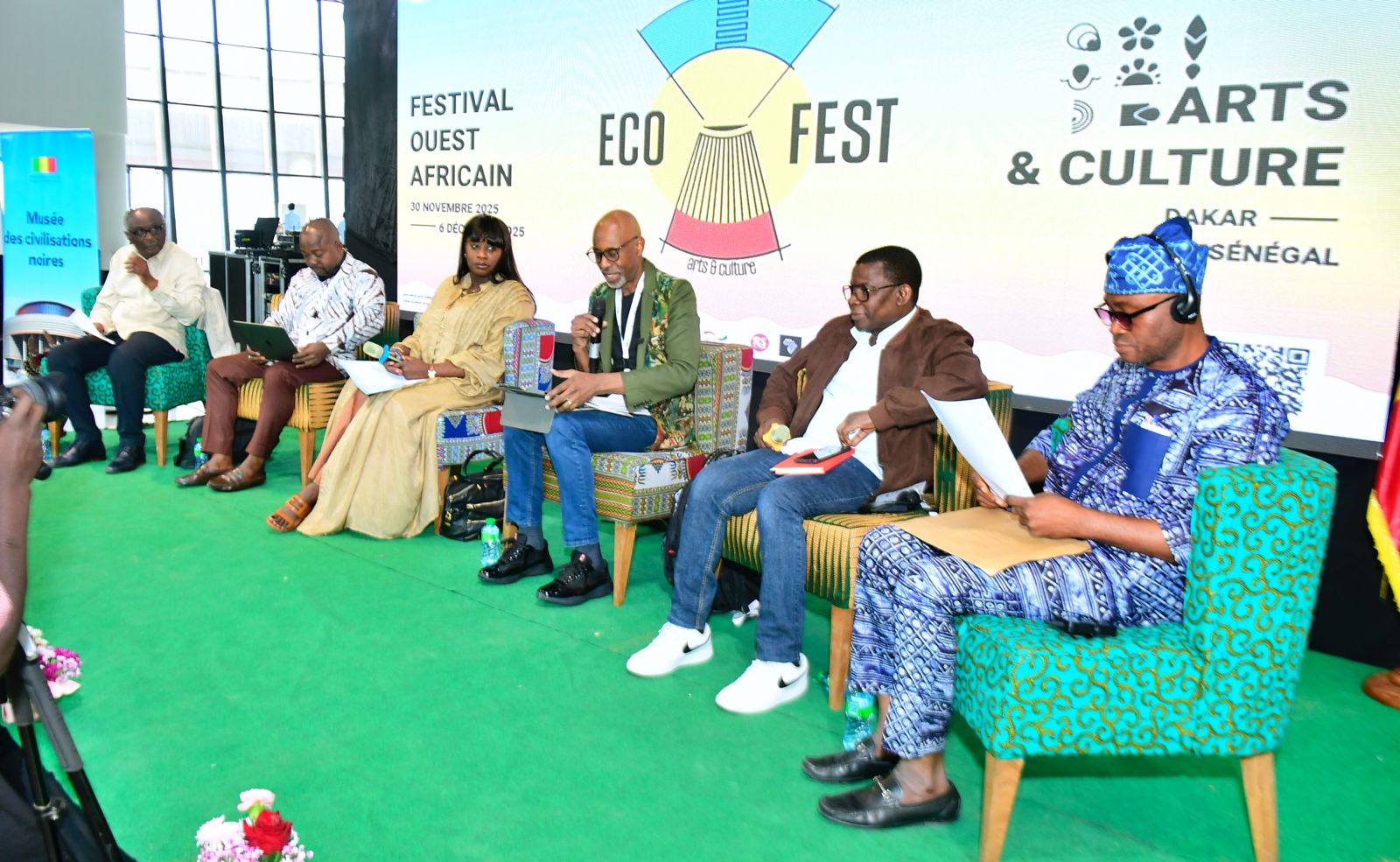
Facing deep-rooted fractures in West Africa from asymmetric conflicts to climate change, Professor Yacouba Konaté, a distinguished art critic, issues a compelling call to action. As the keynote speaker of the panel on “Regional Citizenship, Culture of Peace, and Improvement of Living Conditions,” he envisions an inclusive West African regional citizenship grounded in peace culture and tangible improvements in living standards.
The region grapples with complex challenges. Professor Konaté highlights that internal divisions, often inherited from unresolved feudal legacies, are worsened by asymmetric wars destabilizing states and terrorizing communities. Simultaneously, climate change fuels pressure on critical resources such as water and arable land, becoming a direct source of inter-community conflicts.
Citizenship beyond Passport
To address this multidimensional crisis, Professor Konaté calls for an intellectual shift in the concept of citizenship. It must transcend legal ties to nation-states and embrace the region’s plural identities and sometimes arbitrary borders. Citizenship should serve as a social glue that unites ethnic and regional groups into a shared destiny, laying the foundation for durable peace.
Education is pivotal, fostering a resilient civic culture that counters divisive identity politics. Africa’s youthful population represents a vital asset, not a burden. Investing in their education and empowerment is key to transforming challenges into opportunities, leveraging the demographic dividend.
Women: Pillars of Societal Transformation
Women hold a central role in societal resilience. Frequently leading crisis response efforts, they act as mediators and agents of reconstruction. Their full and meaningful participation in political, economic, and social spheres is indispensable for building just and stable societies.
Despite obstacles, optimism endures. Harnessing youth energy and women’s strength is essential to improving living conditions across West Africa.
Ministerial Commitment to Regional Integration and Peace
Opening the panel, Senegal’s Minister of Culture, Handicrafts, and Tourism, Mr. Amadou Ba, emphasized that a people-centric ECOWAS must lead the region’s response to its challenges. He urged strict application of protocols on free movement of persons and goods, and advocated leveraging cultural factors as foundations for lasting peace.
Beyond economic integration, cultural resource coordination and proper labelling are critical for the growth of West Africa’s creative industries.

West Africa: Cultural Stakeholders reimagine urban spaces to build TV peace
Cultures

Related Posts









We bring you the best news update in Nigeria
LEARN MORE »