
• Privacy Policy
  • Terms
  • About us
  • Contact Us
  • Staff Email
Wednesday, May 6, 2026
  • Login
TheMattersPress
  • Home
  • News
  • Features
  • Thematterspress
  • Multimedia
    • Audio
    • Photo
    • Video
  • About us
  • Contact Us
No Result
View All Result
  • Home
  • News
  • Features
  • Thematterspress
  • Multimedia
    • Audio
    • Photo
    • Video
  • About us
  • Contact Us
No Result
View All Result
TheMattersPress
No Result
View All Result
Home Economy/Technology

Avoid adverse effects of protectionism, IMF warns

IMF

The Matters Press by The Matters Press
June 3, 2023
Reading Time: 3 mins read
0

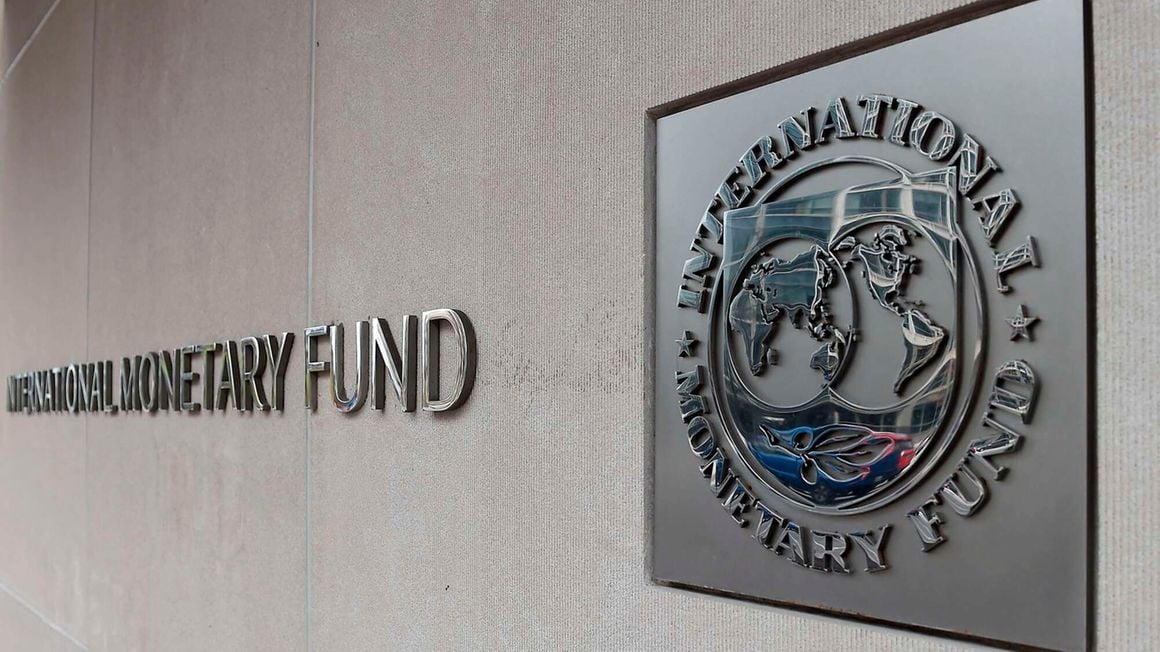
The International Monetary Fund (IMF) has warned its member nations against the adverse effects of protectionism as a response to globalization.

RELATED POSTS

IMPI faults opposition, rates Tinubu’s policies successful, as Naira succeeds as Africa’s second-best-performing currency against dollar

ANALYSIS: HOW TINUBU’S REFORMS TRIGGER HIGH REVENUE EARNINGS IN NIGERIA’S REAL SECTOR

Reduced tariff on imports will cushion effects of the Middle East crisis on cost of living – TMSG

It said protectionism would make the world less resilient, more unequal and more conflict-prone.

The IMF gave the advice in a statement titled “Growing Threats to Global Trade” on Saturday.

The IMF warned policy makers in some of the world’s largest economies against policies that can halt further international integration.

The global body said since 2020, policy makers in some of the world’s largest economies had made choices to halt further international integration and, in several instances, to embrace protectionist or nationalist policies, but added that: “Today, no conclusive evidence exists that international trade is deglobalising.

“When measured in US dollars, global trade growth slowed after the global financial crisis in 2008–09 and declined sharply at the onset of the pandemic in 2020.

“But since then, trade has rebounded to the highest value ever.

“As a share of GDP, global trade has fallen modestly, driven mostly by China, which for years has pursued a “dual circulation” strategy of prioritising domestic consumption, while remaining open to international trade and investment and India.

“This reflects the end of an extraordinary export boom both countries experienced in previous decades as well as fewer imports of intermediate goods than in the past.

“Yet, as a share of GDP, imports of intermediates by the rest of the world are still growing. The same is true of exports.”

IMF noted that the era of “hyper globalization” that took shape from the 1990s onward was associated with great economic achievement, adding that arguments against trade that emphasised the fragility of supply chains are not consistent with the evidence.

IMF said: “Consumers in economies open to trade gained access to an extraordinary variety of goods sourced from all over the planet at affordable prices.

“Smartphones, computers, and other electronics allowed people to be more productive and to enjoy more varied entertainment than previous generations had ever dreamt.

“Overall, arguments against trade that emphasise the fragility of supply chains are not consistent with the evidence.

“These arguments were used to stoke the protectionist sentiment that had originated in the first phase, but ultimately the initial effects were not enduring.”

The global body said it acknowledged that many workers in advanced economies were feeling left behind doing worse than their parents, adding communities more exposed to import competition from low-wage countries, thanks to pre-existing spatial industrialization patterns, did worse than communities that were sheltered from imports.

“This, in turn, had important political consequences in the US and the UK. At the same time, globalization created big winners: multinational “superstar” firms that benefited from the hyper-specialisation of global value chains, in the form of lower costs and higher profits, as well as a class of highly compensated individuals who reaped the rewards associated with expanding markets and new economic opportunities.”

The IMF said greater trade barriers lead to higher prices, which means lower real wages, adding globalization might have contributed to more spatial inequality, but protectionism is not the cure as it will likely make the problem worse.

“Across countries, there is a risk of increased global inequality. Geo-economic fragmentation could lead to more trade between high-income economies that are “friends.

“Increasing emphasis on environmental and labour standards in trade agreements would raise entry barriers for very poor countries that find it difficult to meet these requirements.

“Without access to lucrative foreign markets, there is no clear path for poverty reduction and development in such economies

“But the greatest risk may be to peace. Cold wars have often led to hot wars. During the interwar period in the 1930s, there was a dramatic shift away from multilateral trade toward trade within empires or informal spheres of influence.” (GBN)


Tags: IMF
ShareTweetPin
The Matters Press

The Matters Press

Related Posts

Tinubu explains mission as he marks second year in office
Economy/Technology

IMPI faults opposition, rates Tinubu’s policies successful, as Naira succeeds as Africa’s second-best-performing currency against dollar

April 29, 2026
NLC’s insistence on eating the seed and expecting a harvest is a metaphor for an absurdity
Economy/Technology

ANALYSIS: HOW TINUBU’S REFORMS TRIGGER HIGH REVENUE EARNINGS IN NIGERIA’S REAL SECTOR

April 29, 2026
Calabar Port receives 72 vessels in 5 months
Economy/Technology

Reduced tariff on imports will cushion effects of the Middle East crisis on cost of living – TMSG

April 18, 2026
TMSG to ADC: You are a motley crew of power mongers, palace jesters
Economy/Technology

TMSG to ADC: You are a motley crew of power mongers, palace jesters

April 6, 2026
NLC’s insistence on eating the seed and expecting a harvest is a metaphor for an absurdity
Economy/Technology

NLC’s insistence on eating the seed and expecting a harvest is a metaphor for an absurdity

April 3, 2026
Presidential aides hail IMPI’s boss, Akinsiju at 63, commend his role in advancing Nigeria’s reform.
Economy/Technology

Why Nigeria must use oil windfall to build a more resilient economy – IMPI

March 30, 2026
Next Post
Food shortage: Nigeria bans foreigners from direct purchase of produce from farmers

Food prices continue to rise - NBS

What Central Bank did to First Bank, experts excited as new directors emerge

First Bank posts impressive earnings

Recommended Stories

Intimidation, cyber-bullying by loan sharks

Loan sharks dangerous to economy – Expert

July 17, 2023
Africa-Europe Alliance presents progress report

Africa’s economy to reach $1,977.6bn by 2030 through renewable energy

February 27, 2023
AfDB pledges to support recharge of Lake Chad Basin

Nigeria can generate N100bn annually from man-made lakes

November 27, 2021

Popular Stories

  • Rising prices of goods cause protests in Morocco

    Rising prices of goods cause protests in Morocco

    0 shares
    Share 0 Tweet 0
  • NCC sets fresh operational fees, spectrum prices for telecom operators

    0 shares
    Share 0 Tweet 0
  • NLNG not responsible for gas supply shortfall, price hike

    0 shares
    Share 0 Tweet 0
  • Hoarding causes hike in prices of grains

    0 shares
    Share 0 Tweet 0
  • Prices of Petrol, diesel increase in November

    0 shares
    Share 0 Tweet 0
TheMattersPress

We bring you the best news update in Nigeria

LEARN MORE »

Recent Posts

  • IMPI faults opposition, rates Tinubu’s policies successful, as Naira succeeds as Africa’s second-best-performing currency against dollar
  • ANALYSIS: HOW TINUBU’S REFORMS TRIGGER HIGH REVENUE EARNINGS IN NIGERIA’S REAL SECTOR
  • Reduced tariff on imports will cushion effects of the Middle East crisis on cost of living – TMSG

Categories

  • Agriculture
  • Economy/Technology
  • Energy
  • Entertainment/sports
  • Features
  • Foreign
  • Multimedia
  • Natural Resources
  • News
  • Oil and Gas
  • Photo
  • Politics
  • Security
  • Thematterspress
  • Uncategorized
  • Video

© 2025 Domo Tech World - Powered by Thematterspress.

No Result
View All Result
  • Home
  • News
  • Features
  • Thematterspress
  • Multimedia
    • Audio
    • Photo
    • Video
  • About us
  • Contact Us

© 2025 Domo Tech World - Powered by Thematterspress.

Welcome Back!

Login to your account below

Forgotten Password?

Retrieve your password

Please enter your username or email address to reset your password.

Log In
Call Us