• Privacy Policy
  • Terms
  • About us
  • Contact Us
  • Staff Email
Friday, July 24, 2026
  • Login
TheMattersPress
  • Home
  • News
  • Features
  • Thematterspress
  • Multimedia
    • Audio
    • Photo
    • Video
  • About us
  • Contact Us
No Result
View All Result
  • Home
  • News
  • Features
  • Thematterspress
  • Multimedia
    • Audio
    • Photo
    • Video
  • About us
  • Contact Us
No Result
View All Result
TheMattersPress
No Result
View All Result
Home Economy/Technology

AfDB faults Kenya’s last mile power project

Kenya

The Matters Press by The Matters Press
April 22, 2023
Reading Time: 2 mins read
0
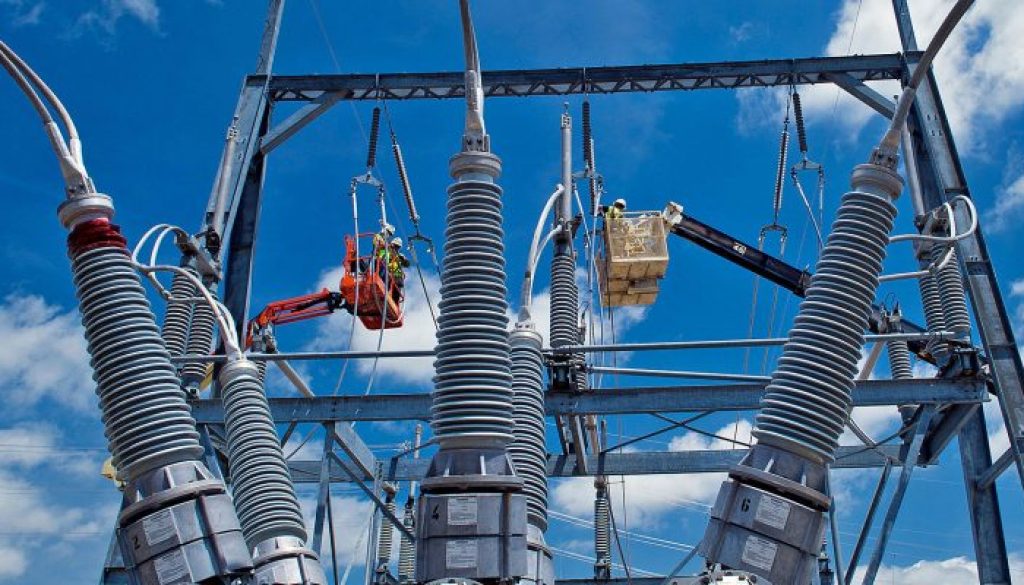
Power line to energise part of Oyo

More than three years after the completion of the last mile connectivity project that linked more than 1.5 million people to the electricity grid in Kenya, there are yet to be any economic benefits for the beneficiaries and the country.

RELATED POSTS

PBAT expands military structure, approves more recruitment

Tinubu’s $3.05bn intervention initiatives, part of ongoing reforms to tackle poverty at the grassroots-Group*

Atiku goofed on President Tinubu’s growth-focused borrowings, recent spike in food inflation

The African Development Bank (AfDB) says the project’s end goal of spurring economic development in Kenya remains far from being realised as a vast majority of the beneficiaries are only using the electricity for lighting and entertainment.

AfDB, which supported the project with a $135 million loan in 2014, covering 91 percent of the entire cost, expected it to improve the competitiveness and expansion of small businesses in Kenya and to raise living standards in the country in terms of health, education and access to information.

However, an impact evaluation report of the project reveals that although it did indeed connect 1.571 million people to the grid as expected, it is yet to deliver the expected gains in health, commercial activity and wealth creation for the beneficiaries.

The evaluation done by AfDB’s Independent Development Evaluation (IDEV) unit revealed that the most significant gains of the project were in education. It increased the probability of studying at night by 46 percent and performance in the Kenya Certificate of Secondary Education (KCSE).

It also significantly contributed to an improvement in social cohesion and social capital, as well as communities’ awareness of current affairs including local politics, education, and health issues in the country.

Smallholder farmers and businesses which got connected through the project are, however, not benefiting as much from it. The use of electricity in irrigation and agricultural activities increased by only 17 percent but didn’t translate to more jobs in the agriculture sector.

Businesses also reported improved security and longer opening hours, but no corresponding increment in jobs created or desire to start or own businesses.

Additionally, households are still spending as much as before on energy every month and there has been no improvement on their respiratory health or well-being of the beneficiaries as had been expected.

The AfDB team also found that families that had benefited from the project had depleted their savings by 6 percent and increased their borrowing by 7 percent, although that wasn’t entirely attributed to the project itself.

“Despite good technical quality and strong partnerships with the Kenyan government and other development agencies, the sustainability of the development outcomes of the project was found to be highly unlikely in the near term,” the team said in the report handed to the energy sector officials this week.

Kenyan energy sector officials blamed the low impact of the project on multiple issues, including the high cost of electricity and little knowledge on utilisation techniques.

“There was no sensitisation of communities. They need to be sensitised to make them aware that electricity can be used to create wealth, not only for lighting,” said Anthony Musyoka, a design and construction manager at the Kenya Electricity Transmission Company (Ketraco).

Joseph Oketch, director of electricity and renewable energy at the Energy and Petroleum Regulatory Authority (EPRA), argued that the high cost of electricity in the country limited productive use of the power in Kenya. More in The EastAfrican


Tags: Kenya
ShareTweetPin
The Matters Press

The Matters Press

Related Posts

Reduction in security breaches by 65%, an unprecedented feat in 13 Years
News

PBAT expands military structure, approves more recruitment

July 24, 2026
Swiss Bank expects profit of $50bn
Economy/Technology

Tinubu’s $3.05bn intervention initiatives, part of ongoing reforms to tackle poverty at the grassroots-Group*

July 24, 2026
Nigeria, WFP worry over food situation
Economy/Technology

Atiku goofed on President Tinubu’s growth-focused borrowings, recent spike in food inflation

July 24, 2026
Tinubu signs amended electoral Act
Economy/Technology

Nigeria gains more global recognition -PBAT

July 24, 2026
Infrastructure gulp N2,7tn in Nigeria
Economy/Technology

Tinubu turning Nigeria into massive construction site

July 6, 2026
Covid-19 causes GDP’s contraction
Economy/Technology

Slash in vehicle import levies will reduce financial burden on Nigerians-TMV

July 6, 2026
Next Post
China introduces new visa

AfCFTA: Remove Visas, reduce customs process to ease logistics

Nigeria to promote digital innovation, entrepreneurship – Pantami

EAC secretariat to begin digitising imported goods tariffs

Recommended Stories

Nigeria hailed for servicing IMF debt, paying ECOWAS levies

December 22, 2024
Starlink, America super highway telecom hits Africa, is it affordable

Starlink, America super highway telecom hits Africa, is it affordable

July 26, 2023
PDP loses Bayelsa to APC

PDP governors in no position to rate Tinubu’s performance – TMSG

July 21, 2024

Popular Stories

  • Rising prices of goods cause protests in Morocco

    Rising prices of goods cause protests in Morocco

    0 shares
    Share 0 Tweet 0
  • NCC sets fresh operational fees, spectrum prices for telecom operators

    0 shares
    Share 0 Tweet 0
  • NLNG not responsible for gas supply shortfall, price hike

    0 shares
    Share 0 Tweet 0
  • Hoarding causes hike in prices of grains

    0 shares
    Share 0 Tweet 0
  • Prices of Petrol, diesel increase in November

    0 shares
    Share 0 Tweet 0
TheMattersPress

We bring you the best news update in Nigeria

LEARN MORE »

Recent Posts

  • PBAT expands military structure, approves more recruitment
  • Tinubu’s $3.05bn intervention initiatives, part of ongoing reforms to tackle poverty at the grassroots-Group*
  • Atiku goofed on President Tinubu’s growth-focused borrowings, recent spike in food inflation

Categories

  • Agriculture
  • Economy/Technology
  • Energy
  • Entertainment/sports
  • Features
  • Foreign
  • Multimedia
  • Natural Resources
  • News
  • Oil and Gas
  • Photo
  • Politics
  • Security
  • Thematterspress
  • Uncategorized
  • Video

© 2025 Domo Tech World - Powered by Thematterspress.

No Result
View All Result
  • Home
  • News
  • Features
  • Thematterspress
  • Multimedia
    • Audio
    • Photo
    • Video
  • About us
  • Contact Us

© 2025 Domo Tech World - Powered by Thematterspress.

Welcome Back!

Login to your account below

Forgotten Password?

Retrieve your password

Please enter your username or email address to reset your password.

Log In
Call Us