• Privacy Policy
  • Terms
  • About us
  • Contact Us
  • Staff Email
Sunday, October 11, 2026
  • Login
TheMattersPress
  • Home
  • News
  • Features
  • Thematterspress
  • Multimedia
    • Audio
    • Photo
    • Video
  • About us
  • Contact Us
No Result
View All Result
  • Home
  • News
  • Features
  • Thematterspress
  • Multimedia
    • Audio
    • Photo
    • Video
  • About us
  • Contact Us
No Result
View All Result
TheMattersPress
No Result
View All Result
Home News

Russia-Ukraine: Manufacturing, agriculture to suffer shocks in Q2

Agriculture

The Matters Press by The Matters Press
April 12, 2022
Reading Time: 2 mins read
0
China’s agricultural wholesale products prices continue to drop

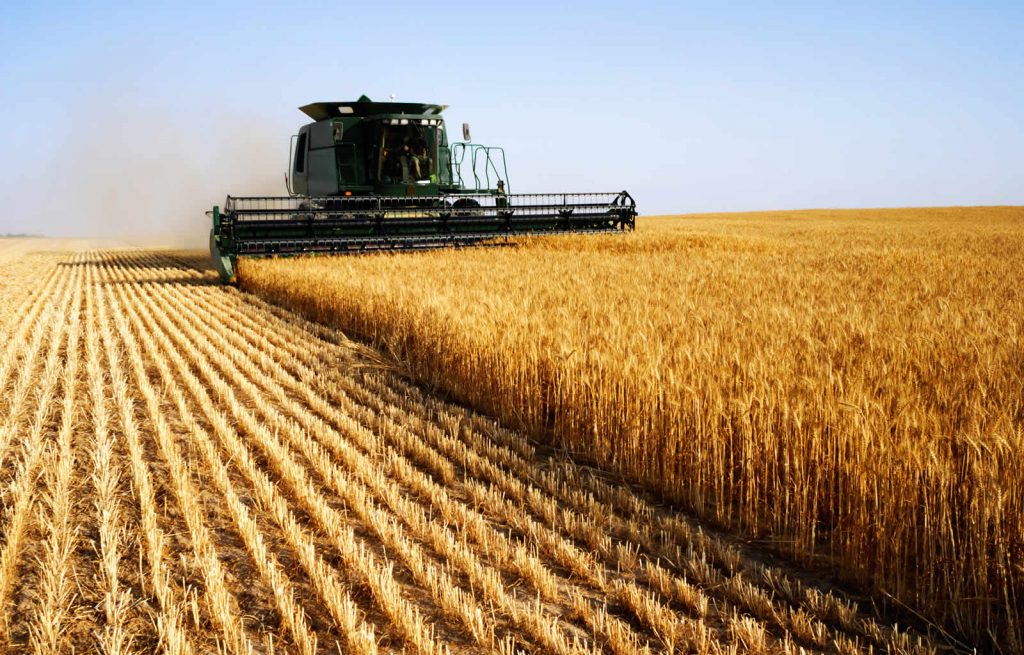
The Lagos Chamber of Commerce and Industry (LCCI) says the persisting Russia-Ukraine war will trigger shocks in the manufacturing and agricultural sectors in the second quarter of 2022.

RELATED POSTS

Rising national revenue reflects President Tinubu’s sound financial skill, says DG TSG

No way President Tinubu could have retained fuel subsidy on assuming office, IMPI insists

IMPI CHALLENGES ATIKU, OBI TO PUBLIC DEBATE ON SUBSIDY RESTORATION; DEMANDS ANSWERS TO CRITICAL FISCAL POSERS

Dr Michael Olawale-Cole, President, LCCI, said this at the LCCI Quarterly press conference on the state of the Nigerian economy on Tuesday in Lagos.

Olawale-Cole said the ongoing war triggered a positive oil price shock with spillover effects on operating costs, raw materials, and inflation in countries not directly engaged in the war.

He noted that Nigeria was not an exception as prices of goods and services were moving northwards with the potential implication of shrinking production of goods and services.

The LCCI president stressed that should the conditions persist, production volumes would be impacted by the raw materials supply chain disruptions, the rising cost of diesel, and other internal security crises.

“Job losses are also very likely due to constrained production and disrupted supply chains and all of these will likely depress growth potential in Q2 2022.

“Going into the second quarter of 2022, the manufacturing sector will likely suffer some shocks from the rising cost of diesel, logistics, foreign exchange illiquidity, domestic inflationary pressure, weakening purchasing power, poor public infrastructure and port-related challenges.

“These may continue to present as headwinds to the sector’s performance.

“Additionally, with the war in Ukraine aggravating disruptions to supply chains of raw materials like wheat, barley, soybeans, sunflower, and corn, the rising cost of production may not abate soon,” he said.

Looking forward to the second quarter, he said Nigerians should expect headline inflation to remain elevated.

This, he said, would be due to supply chain disruptions caused by the Russia-Ukraine war, food supply shocks, FX policies, higher energy costs, FX illiquidity, heightened insecurity in major food-producing states, which would continue to mount pressure consumer prices.

“We believe a broad-based harmonisation of fiscal and monetary policies toward addressing the identified structural constraints will significantly help moderate inflationary pressure in the short term,” he said.

Olawale-Cole urged government to adopt the most sustainable solution of boosting local production of food staples to levels that met local demands.

In addition, the industrialist tasked government to resolve the lingering fuel supply crises by increasing importation to meet growing demand, which was putting pressure on diesel and fuel prices.

“It has also become imperative now that Nigeria needs to have reserves for these critical commodities to meet sudden crashes in supply.

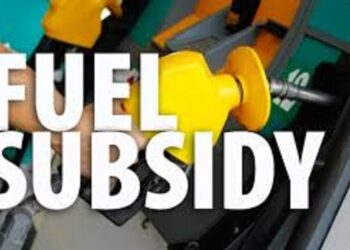
“We have always advocated the removal of fuel subsidies and that such rescued funds be diverted to subsidise the production of goods and services in the face of the rising cost of manufacturing.

“The Central Bank of Nigeria (CBN) should embark on easing the economy while keeping a tab on controlling rising prices.

“Credit to the private sector should increase and be targeted to support growth sectors and export-promoting sectors.

“Deliberate efforts toward making the business environment more conducive for MSMEs and large corporates at the national, subnational, and local government levels are also very imperative,” he said.

On the energy sector, the LCCI president noted that the national grid was unable to continue to supply sufficient power to meet the country’s electricity demand.

Olawale-Cole recommended that the government should invest more in technology to fight pipeline vandalism and fund critical infrastructure and special purpose intervention in the power sector,” he said.


Tags: Agriculture
ShareTweetPin
The Matters Press

The Matters Press

Related Posts

Tinubu signs amended electoral Act
Economy/Technology

Rising national revenue reflects President Tinubu’s sound financial skill, says DG TSG

October 9, 2026
Tinubu explains mission as he marks second year in office
Economy/Technology

No way President Tinubu could have retained fuel subsidy on assuming office, IMPI insists

October 7, 2026
NLC’s insistence on eating the seed and expecting a harvest is a metaphor for an absurdity
Economy/Technology

IMPI CHALLENGES ATIKU, OBI TO PUBLIC DEBATE ON SUBSIDY RESTORATION; DEMANDS ANSWERS TO CRITICAL FISCAL POSERS

October 7, 2026
Nigeria has not taken decision yet on fuel subsidy
Economy/Technology

The Fallacy of Atiku and Obi’s Subsidy Restoration Advocacy

October 7, 2026
World Bank predicts 4% global economic growth, 1.1% for Nigeria in 2021
Economy/Technology

Opposition ignorant over fresh $1.5bn World Bank loan

October 6, 2026
Nigerians to own brand new vehicles, goods through new credit scheme initiative
Economy/Technology

At 66, Nigeria in a new page to prosperity

October 1, 2026
Next Post
Africa-Europe Alliance presents progress report

UK group seeks Africa’s collaboration to achieve sustainable development

Customs generates N493.75bn in TinCan Island

Customs retains 20% duty rate on used vehicles

Recommended Stories

Chinese investors to cultivate 10,000 hectares of rice in Yobe

Boosting Nigeria’s food security agenda through improved rice production

January 17, 2024
7,000 MT of LPG, others expected at Lagos ports

Nigeria’s LPG production hits 5m tonnes

October 3, 2022
Nigeria greater as one

Osinbajo is 63

March 8, 2020

Popular Stories

  • Rising prices of goods cause protests in Morocco

    Rising prices of goods cause protests in Morocco

    0 shares
    Share 0 Tweet 0
  • Hoarding causes hike in prices of grains

    0 shares
    Share 0 Tweet 0
  • NCC sets fresh operational fees, spectrum prices for telecom operators

    0 shares
    Share 0 Tweet 0
  • NLNG not responsible for gas supply shortfall, price hike

    0 shares
    Share 0 Tweet 0
  • Prices of Petrol, diesel increase in November

    0 shares
    Share 0 Tweet 0
TheMattersPress

We bring you the best news update in Nigeria

LEARN MORE »

Recent Posts

  • Rising national revenue reflects President Tinubu’s sound financial skill, says DG TSG
  • No way President Tinubu could have retained fuel subsidy on assuming office, IMPI insists
  • IMPI CHALLENGES ATIKU, OBI TO PUBLIC DEBATE ON SUBSIDY RESTORATION; DEMANDS ANSWERS TO CRITICAL FISCAL POSERS

Categories

  • Agriculture
  • Economy/Technology
  • Energy
  • Entertainment/sports
  • Features
  • Foreign
  • Multimedia
  • Natural Resources
  • News
  • Oil and Gas
  • Photo
  • Politics
  • Security
  • Thematterspress
  • Uncategorized
  • Video

© 2025 Domo Tech World - Powered by Thematterspress.

No Result
View All Result
  • Home
  • News
  • Features
  • Thematterspress
  • Multimedia
    • Audio
    • Photo
    • Video
  • About us
  • Contact Us

© 2025 Domo Tech World - Powered by Thematterspress.

Welcome Back!

Login to your account below

Forgotten Password?

Retrieve your password

Please enter your username or email address to reset your password.

Log In
Call Us