• Privacy Policy
  • Terms
  • About us
  • Contact Us
  • Staff Email
Tuesday, April 14, 2026
  • Login
TheMattersPress
  • Home
  • News
  • Features
  • Thematterspress
  • Multimedia
    • Audio
    • Photo
    • Video
  • About us
  • Contact Us
No Result
View All Result
  • Home
  • News
  • Features
  • Thematterspress
  • Multimedia
    • Audio
    • Photo
    • Video
  • About us
  • Contact Us
No Result
View All Result
TheMattersPress
No Result
View All Result
Home Economy/Technology

FG reiterates commitment to energy self-sufficiency by 2026

Energy

The Matters Press by The Matters Press
August 2, 2022
Reading Time: 2 mins read
0
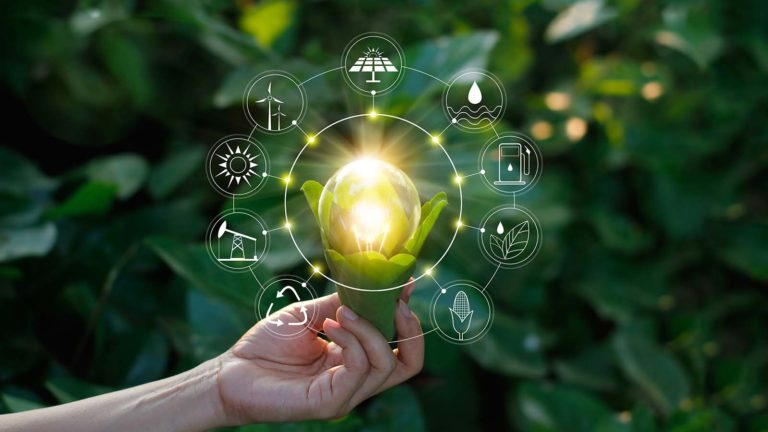
Global energy demand to increase by 352 mboe/d in 2045

The Federal Government on Tuesday reiterated its commitment to achieving self-sufficiency and net exporter of energy resources by 2026.

RELATED POSTS

TMSG to ADC: You are a motley crew of power mongers, palace jesters

NLC’s insistence on eating the seed and expecting a harvest is a metaphor for an absurdity

Why Nigeria must use oil windfall to build a more resilient economy – IMPI

Mr Bala Wunti, Group General Manager, National Petroleum Investment Services (NAPIMS), made this known while speaking at the 2022 Society of Petroleum Engineers (SPE) Nigeria Annual International Conference and Exhibition (NAICE) on Tuesday in Lagos.

He spoke during a panel session on “Sustainable Energy Transition Strategy: The Role of Legislative Frameworks and Investment Programmes.”

Wunti said though the government had pledged to achieve net zero carbon emission by 2060, its priority remains reducing energy poverty in the country with its abundant hydrocarbon resources.

To this end, he said the government’s target was to attain zero dependence on imported energy, both primary and secondary, as well as becoming a net exporter of secondary energy resources by 2026.

Wunti said the plan was to provide access to energy to 100 per cent of the population through the gas to power initiative which would spur industrialisation and economic growth.

He, however maintained that this could only be achieved through effective legislative frameworks and investment programmes needed to maximise the opportunities in the oil and gas sector.

Wunti said there was need to create a platform where market investment and financing come together with regard to delivery of energy in a more sustainable manner.

He noted that unfortunately, the industry had witnessed decline in investments in recent years which had plunged the world into the global energy crisis.

According to him, available statistics from the Organisation of the Petroleum Exporting Countries (OPEC) shows that the world requires $11.8 trillion to meet its energy needs.

Wunti said the current global energy crisis was due to energy imbalance with supply falling short of demand which had driven the price of energy resources upward.

Also, Mr Austin Avuru, Chairman, AA Holdings Ltd., said Africa must design home grown solutions to the divestment of assets by International Oil Companies across the continent.

Avuru said the move was largely responsible for Nigeria being unable to meet its OPEC quota, adding that there was need to grow indigenous companies to fill the void created by the divestment of the IOCs.

He said the way forward was for the companies to get access to funding from within the continent for oil and gas exploration.

Avuru also called for deployment of technologies, production of more natural
gas and encouragement of tree planting to achieve decarbonisation while maximising the continent’s abundant oil and gas resources.

Earlier in his remarks, Prof. Olalekan Olafuyi, Chairman, SPE Nigeria Council, decried the lack of access to energy by many Africans.

Olafuyi said building a sustainable energy sector was fundamental for the African continent to power sustainable industrialisation and trade.

He said this underpins the African Continental Free Trade Area (AfCFTA) plan and thus highlights further the need for regional integration to solve Africa’s energy and climate challenges.

“Ramping up sustainable energy generation capacity by 2030 according to the African Development Bank’s (AfDB) New Deal on Energy for Africa, requires a minimum of $44 billion of annual financing.

“Maintaining and extending the pace of progress will thus require strong political commitment and sound governance, long-term energy planning, adequate political and fiscal incentives as well as public and private financing,” he said.

Tags: Energy
ShareTweetPin
The Matters Press

The Matters Press

Related Posts

TMSG to ADC: You are a motley crew of power mongers, palace jesters
Economy/Technology

TMSG to ADC: You are a motley crew of power mongers, palace jesters

April 6, 2026
NLC’s insistence on eating the seed and expecting a harvest is a metaphor for an absurdity
Economy/Technology

NLC’s insistence on eating the seed and expecting a harvest is a metaphor for an absurdity

April 3, 2026
Presidential aides hail IMPI’s boss, Akinsiju at 63, commend his role in advancing Nigeria’s reform.
Economy/Technology

Why Nigeria must use oil windfall to build a more resilient economy – IMPI

March 30, 2026
Tanzania, Australia firms sign $667m deal to mine rare earths
Economy/Technology

$1.3bn landmark FG/AFC Alumnia deal, transformative economic booster–TMV

March 7, 2026
Eulogising Africa’s efforts in midwifing a Covid-19 vaccine
Economy/Technology

Injection of N98bn in 13,500 Centres will Boost Primary Healthcare Nationwide – Group

March 7, 2026
CAC, Pakistani investors on economic diversification
Economy/Technology

Progressivism: The Place of Ideology in Tinubu’s Management of Nigeria’s Economy

March 1, 2026
Next Post
Nigeria disburses N56bn to MSMEs

South-West records over 200,000 MSME’s beneficiaries

PENCOM launches radio programme

PFAs generated N125bn in 2021 – PenCom

Recommended Stories

NERC declares meters free under mass scheme

Power blackout frustrates FCT residents

March 14, 2022
Guinness declares 11% revenue growth

Guinness declares 11% revenue growth

October 25, 2023
Consumer commission, CBN, EFCC investigate violations in money lending

CBN sets criteria for enrolment in credit risk management system

May 25, 2022

Popular Stories

  • Rising prices of goods cause protests in Morocco

    Rising prices of goods cause protests in Morocco

    0 shares
    Share 0 Tweet 0
  • NCC sets fresh operational fees, spectrum prices for telecom operators

    0 shares
    Share 0 Tweet 0
  • NLNG not responsible for gas supply shortfall, price hike

    0 shares
    Share 0 Tweet 0
  • Hoarding causes hike in prices of grains

    0 shares
    Share 0 Tweet 0
  • Prices of Petrol, diesel increase in November

    0 shares
    Share 0 Tweet 0
TheMattersPress

We bring you the best news update in Nigeria

LEARN MORE »

Recent Posts

  • TMSG to ADC: You are a motley crew of power mongers, palace jesters
  • NLC’s insistence on eating the seed and expecting a harvest is a metaphor for an absurdity
  • Why Nigeria must use oil windfall to build a more resilient economy – IMPI

Categories

  • Agriculture
  • Economy/Technology
  • Energy
  • Entertainment/sports
  • Features
  • Foreign
  • Multimedia
  • Natural Resources
  • News
  • Oil and Gas
  • Photo
  • Politics
  • Security
  • Thematterspress
  • Uncategorized
  • Video

© 2025 Domo Tech World - Powered by Thematterspress.

No Result
View All Result
  • Home
  • News
  • Features
  • Thematterspress
  • Multimedia
    • Audio
    • Photo
    • Video
  • About us
  • Contact Us

© 2025 Domo Tech World - Powered by Thematterspress.

Welcome Back!

Login to your account below

Forgotten Password?

Retrieve your password

Please enter your username or email address to reset your password.

Log In
Call Us