• Privacy Policy
  • Terms
  • About us
  • Contact Us
  • Staff Email
Sunday, July 26, 2026
  • Login
TheMattersPress
  • Home
  • News
  • Features
  • Thematterspress
  • Multimedia
    • Audio
    • Photo
    • Video
  • About us
  • Contact Us
No Result
View All Result
  • Home
  • News
  • Features
  • Thematterspress
  • Multimedia
    • Audio
    • Photo
    • Video
  • About us
  • Contact Us
No Result
View All Result
TheMattersPress
No Result
View All Result
Home Economy/Technology

IMF reveals $400m exposure in Kenya fuel import deal

IMF

The Matters Press by The Matters Press
January 21, 2024
Reading Time: 2 mins read
0

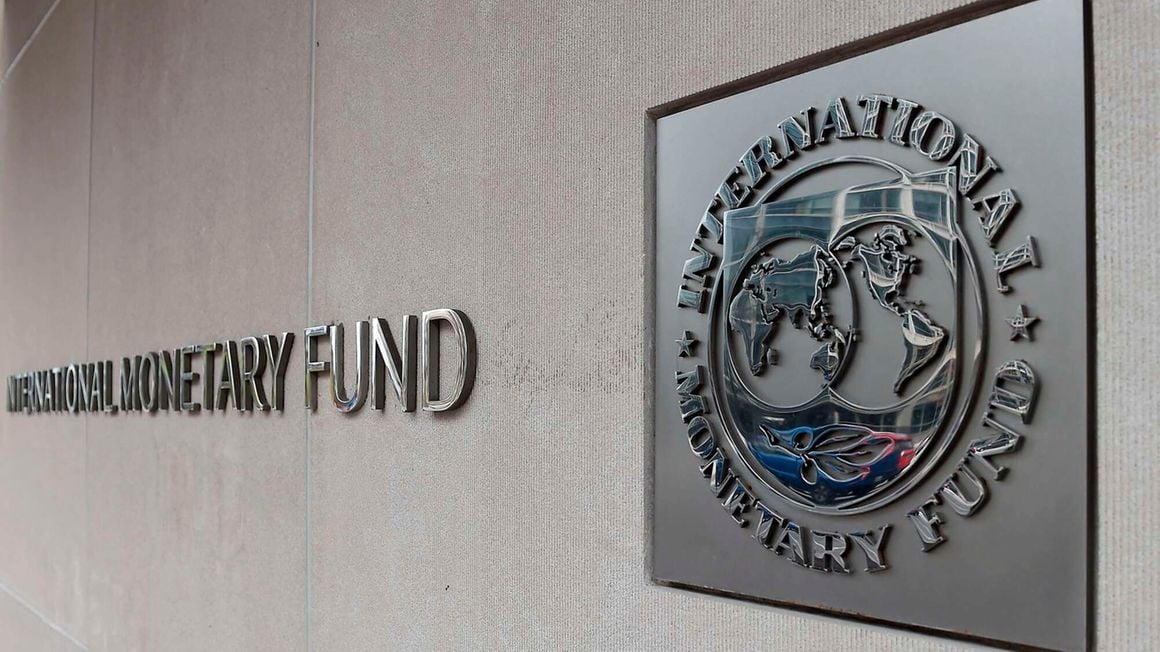
The International Monetary Fund (IMF) has estimated the taxpayers exposure to the fuel import scheme at around $400 million, which means the government-to-government (G-to-G) deal is not risk-free as touted.

RELATED POSTS

PBAT expands military structure, approves more recruitment

Tinubu’s $3.05bn intervention initiatives, part of ongoing reforms to tackle poverty at the grassroots-Group*

Atiku goofed on President Tinubu’s growth-focused borrowings, recent spike in food inflation

The IMF estimates the state’s contingent liabilities stemming from the letters of support issued to participants in the supply chain at 0.4 percent of GDP, said the IMF in the latest country report under the Extended Fund Facility (EFF) and Extended Credit Facility (ECF) Arrangements.

A contingent liability is a potential loss that may occur in the future depending on the outcome of a specific event.

In the case of the G2G mechanism launched in April 2023, the IMF says taxpayers are exposed to calls on the national budget in case prices at the pump are not adjusted to fully pass through any forex losses to the final consumers.

To hedge against foreign exchange losses, Kenya opened an interest-bearing escrow account into which the proceeds from the sale of fuel under this deal are packed. The interest on the funds is the 91-day Treasury Bill rate minus 200 basis points (two percentage points). The interest is paid to a government led stabilization account to mitigate forex losses.

The IMF staff and the Attorney-General of Kenya reviewed the legal arrangements of the fuel import scheme establishing that they do not give rise to government guarantees of private debt under domestic law as defined in the Technical Memorandum of Understanding under the IMF-supported EFF/ECF arrangements.

“The government is, nevertheless, exposed to calls on the national budget in case prices at the pump are not adjusted to fully pass through any FX valuation losses under the mechanism to final consumers,” said the IMF. “It may further have to raise U.S. dollar financing to cover any shortfalls of FX, needed to repay exporters, in the domestic market.”

The Kenyan government has indicated its intention to pull out of the scheme in December and leave it to the private players.

The scheme, which had an initial duration of nine months and extended for another 12 months to end-2024, includes the issuance of letters of support by the government to domestic oil marketing companies (OMCs) that also benefit the banks, financial institutions, credit insurance providers, lenders and any hedging counterparties providing financing, insurance, refinancing or hedging to the OMCs.

The fuel is imported on six-month credit, backed by commercial letters of credit issued by domestic banks and confirmed by international banks.

Banks have been cagey on continuing to issue letters of credit without the letters of support from the government.

Treasury Cabinet Secretary Njuguna Ndung’u in an earlier interview said that the government would step back to allow private sector players, including OMCs, banks, and credit insurance providers, to run the scheme.

Prof Ndung’u, however, insisted that the scheme was a trade finance arrangement which had no risks to the Kenyan government.

The scheme, which was midwifed on March 10, 2023, by the Kenyan government in partnership with governments of the United Arab Emirates and Saudi Arabia, was touted as a means of easing forex pressures by eliminating the buying of fuel, the country’s single-largest import commodity, in the spot market by postponing the demand for dollars estimated at $500 million monthly.

However, in a letter to the IMF, Professor Ndung’u and the Central Bank of Kenya (CBK) Governor Dr Kamau Thugge indicated that the deal has not achieved its objective.

Read more The EastAfrican

Tags: IMF
ShareTweetPin
The Matters Press

The Matters Press

Related Posts

Reduction in security breaches by 65%, an unprecedented feat in 13 Years
News

PBAT expands military structure, approves more recruitment

July 24, 2026
Swiss Bank expects profit of $50bn
Economy/Technology

Tinubu’s $3.05bn intervention initiatives, part of ongoing reforms to tackle poverty at the grassroots-Group*

July 24, 2026
Nigeria, WFP worry over food situation
Economy/Technology

Atiku goofed on President Tinubu’s growth-focused borrowings, recent spike in food inflation

July 24, 2026
Tinubu signs amended electoral Act
Economy/Technology

Nigeria gains more global recognition -PBAT

July 24, 2026
Infrastructure gulp N2,7tn in Nigeria
Economy/Technology

Tinubu turning Nigeria into massive construction site

July 6, 2026
Covid-19 causes GDP’s contraction
Economy/Technology

Slash in vehicle import levies will reduce financial burden on Nigerians-TMV

July 6, 2026
Next Post
UK unions seek higher minimum wages for Britons

East African domestic workers get lower wages in Saudi Arabia

NEPZA, C/River state agree on modality to revamp Tinapa FTZ, forge fresh cooperation

NEPZA, C/River state agree on modality to revamp Tinapa FTZ, forge fresh cooperation

Recommended Stories

NBS reports increase in Inflation

Inflation rate hits 27.33% in Nigeria

November 16, 2023
NIPC begins validation of investors’ readiness to invest in Nigeria

Nigeria to become preferred investment destination – NIPC

February 15, 2023

Global economic slowing down; U.S remains strong – IMF

October 11, 2023

Popular Stories

  • Rising prices of goods cause protests in Morocco

    Rising prices of goods cause protests in Morocco

    0 shares
    Share 0 Tweet 0
  • NCC sets fresh operational fees, spectrum prices for telecom operators

    0 shares
    Share 0 Tweet 0
  • NLNG not responsible for gas supply shortfall, price hike

    0 shares
    Share 0 Tweet 0
  • Hoarding causes hike in prices of grains

    0 shares
    Share 0 Tweet 0
  • Prices of Petrol, diesel increase in November

    0 shares
    Share 0 Tweet 0
TheMattersPress

We bring you the best news update in Nigeria

LEARN MORE »

Recent Posts

  • PBAT expands military structure, approves more recruitment
  • Tinubu’s $3.05bn intervention initiatives, part of ongoing reforms to tackle poverty at the grassroots-Group*
  • Atiku goofed on President Tinubu’s growth-focused borrowings, recent spike in food inflation

Categories

  • Agriculture
  • Economy/Technology
  • Energy
  • Entertainment/sports
  • Features
  • Foreign
  • Multimedia
  • Natural Resources
  • News
  • Oil and Gas
  • Photo
  • Politics
  • Security
  • Thematterspress
  • Uncategorized
  • Video

© 2025 Domo Tech World - Powered by Thematterspress.

No Result
View All Result
  • Home
  • News
  • Features
  • Thematterspress
  • Multimedia
    • Audio
    • Photo
    • Video
  • About us
  • Contact Us

© 2025 Domo Tech World - Powered by Thematterspress.

Welcome Back!

Login to your account below

Forgotten Password?

Retrieve your password

Please enter your username or email address to reset your password.

Log In
Call Us